KENYA
CURRENT PROJECTS IN KENYA
-
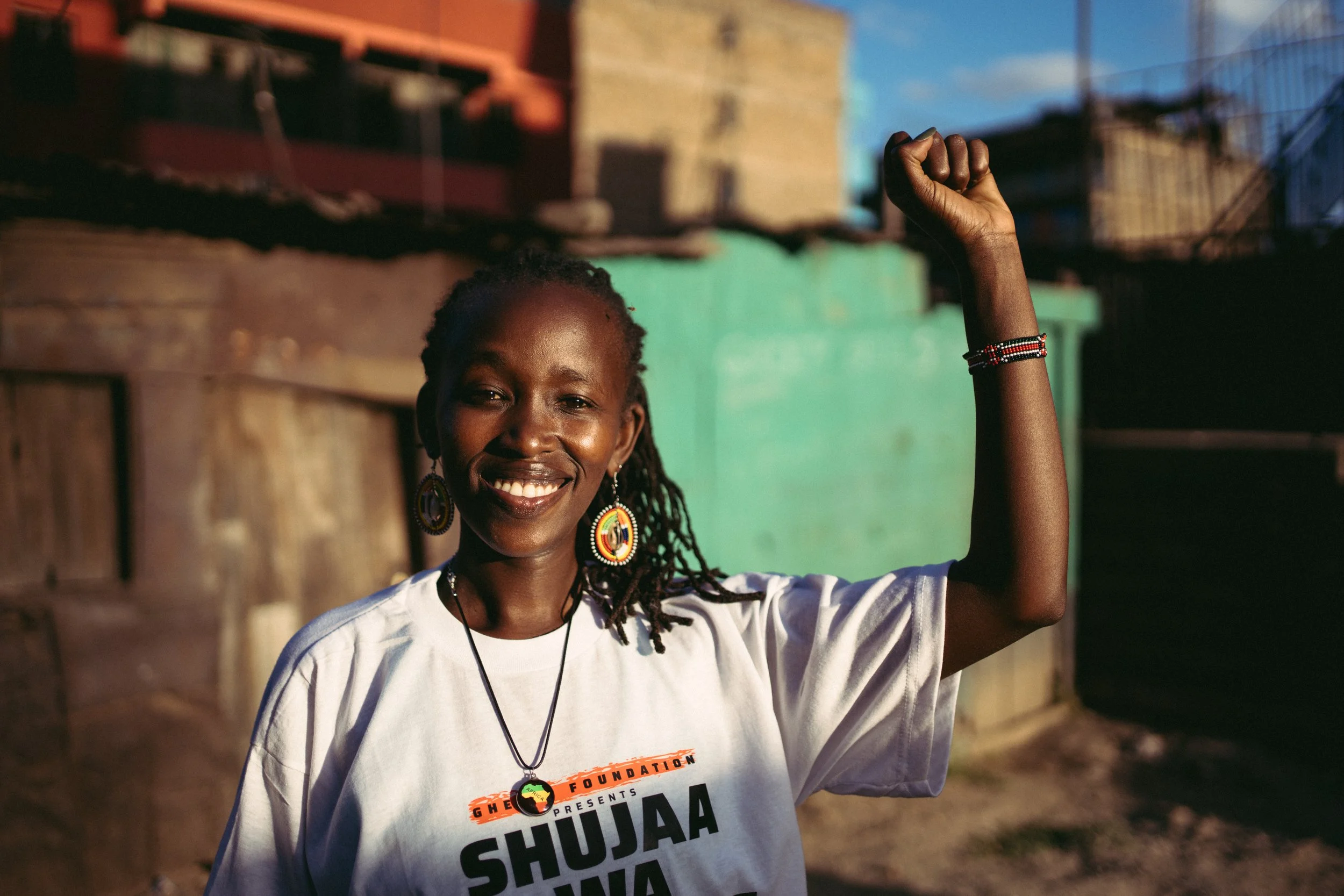
In Nairobi and Kampala, something is already moving. Young people in informal settlements — often written off by the systems that surround them — are organising, building, and pushing for change in their communities. They are not waiting for permission. They are creating the conditions for a different kind of city.
The Youth Current is Dreamtown's project to meet that energy, support it, and help it grow. Operating across Kenya and Uganda, the project works through trusted, youth-led organisations embedded in the communities they serve. Its focus is on urban youth engagement: helping young people reclaim and reshape public spaces, build sustainable livelihoods, and develop the skills and confidence to advocate for themselves in the institutions that make decisions about their lives. The young people at the heart of this project live in some of East Africa's most rapidly urbanising areas — places where the gap between the city's promises and its realities is felt every day. Unemployment, inadequate infrastructure, exclusion from political processes: these are not background conditions. They are the immediate obstacles that young people navigate from morning to night.
What The Youth Current offers is recognition — that these communities already contain the leadership, creativity, and determination needed to change things — and resources, so that energy doesn't get extinguished before it can take root. The current already exists. This project is about making sure it keeps flowing.
-
Water is not abstract. In Nairobi's informal settlements, it is the first thing you think about in the morning and the last problem you solved at night. Flooding that ruins homes and crops. Contamination that makes people sick. Scarcity that forces impossible choices. Climate change makes all of this worse — and the communities who experience it most severely are also the ones with the least power to influence what happens next.
Cool Waters is Dreamtown's response: a large-scale, long-term project in Kenya that addresses water insecurity not as a technical problem to be solved from outside, but as a community challenge to be navigated from within. At the centre of the project are young people in Nairobi — people who understand water not as a policy issue but as a daily reality. Working with a Nairobi-based youth organisation with deep community roots, Cool Waters brings together technical solutions, sustainable practices, and youth-led community organising. Young people are not beneficiaries here. They are the people building new relationships with their environment — and with each other. The work is large in scale and serious in ambition. It takes as its starting point the recognition that sustainable change in how a community manages a critical resource only happens when the people who depend on it are at the centre of the process.
In a region where climate change and rapid urbanisation are colliding with devastating speed, Cool Waters is a proof of concept: that things can be different, that communities have the capacity to lead that difference, and that the right kind of support makes it possible.
-
Cities in Sub-Saharan Africa are growing faster than almost anywhere else on earth. For millions of young people, that growth is not an opportunity — it is a pressure. Informal settlements expand. Public space disappears. Jobs don't materialise. And the systems that should support young people — housing, education, health, local governance — stretch and sometimes break.
Youth City is Dreamtown's most ambitious programme: a multi-country, multi-year effort to change what urban life looks like for young people across Kenya, Uganda, Zimbabwe, Sierra Leone, and Denmark.
The programme works through three interconnected pillars. The first is entrepreneurship — building the skills, networks, and confidence for young people to create income and economic resilience in their communities, with a target of 40% of participants scaling or launching a new enterprise.
The second is public space — working with communities to reclaim, create, and maintain safe, green, and creative spaces where young people can gather, express themselves, and belong. The target: 800 young people directly involved in developing and shaping those spaces. In Kenya and Uganda, it means urban agriculture and climate-smart infrastructure.
The third pillar is advocacy — equipping young people to engage with local authorities and influence the decisions that shape their cities, with 800 young people taking part in joint advocacy campaigns.
Across all five countries, Youth City has directly engaged hundreds of young people as active participants — not as recipients of development, but as its architects. The programme is guided by a Youth Advisory Panel, ensuring that young voices shape its direction at every stage. Youth City is Dreamtown's theory of change made visible at scale: cities are made by people, and the young people who live in them have both the right and the capacity to make them better.
LATEST STORIES FROM KENYA
CONTEXT
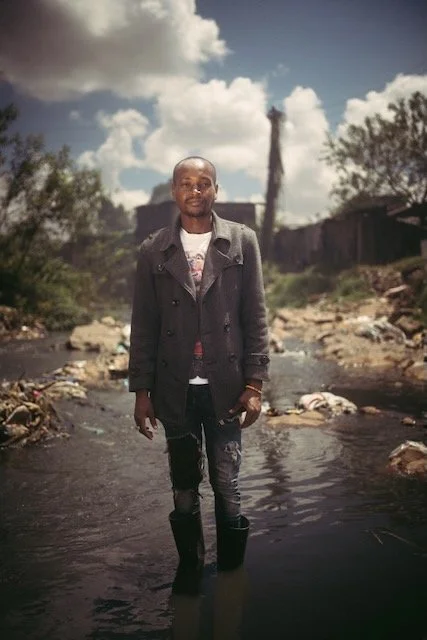
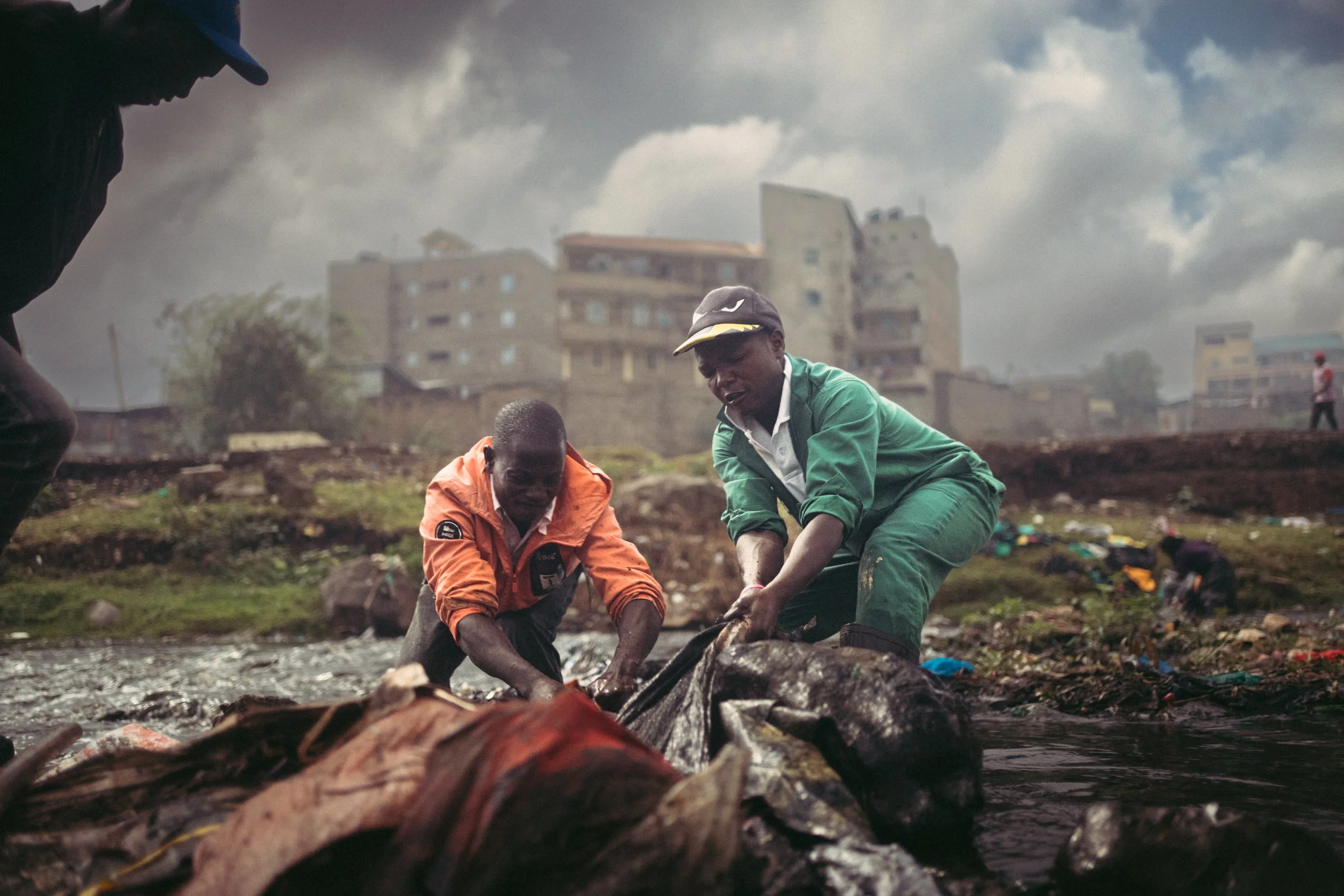
Kenya is among Africa's fastest-urbanising nations. In Nairobi, over 60% of residents live in informal settlements like Mathare, Korogocho, and Dandora — dense communities facing severe flooding along the Nairobi River, pollution, and a near-total absence of green or public space. Youth unemployment is acute; the 2024 "Gen Z protests" laid bare a generation's frustration with economic exclusion.
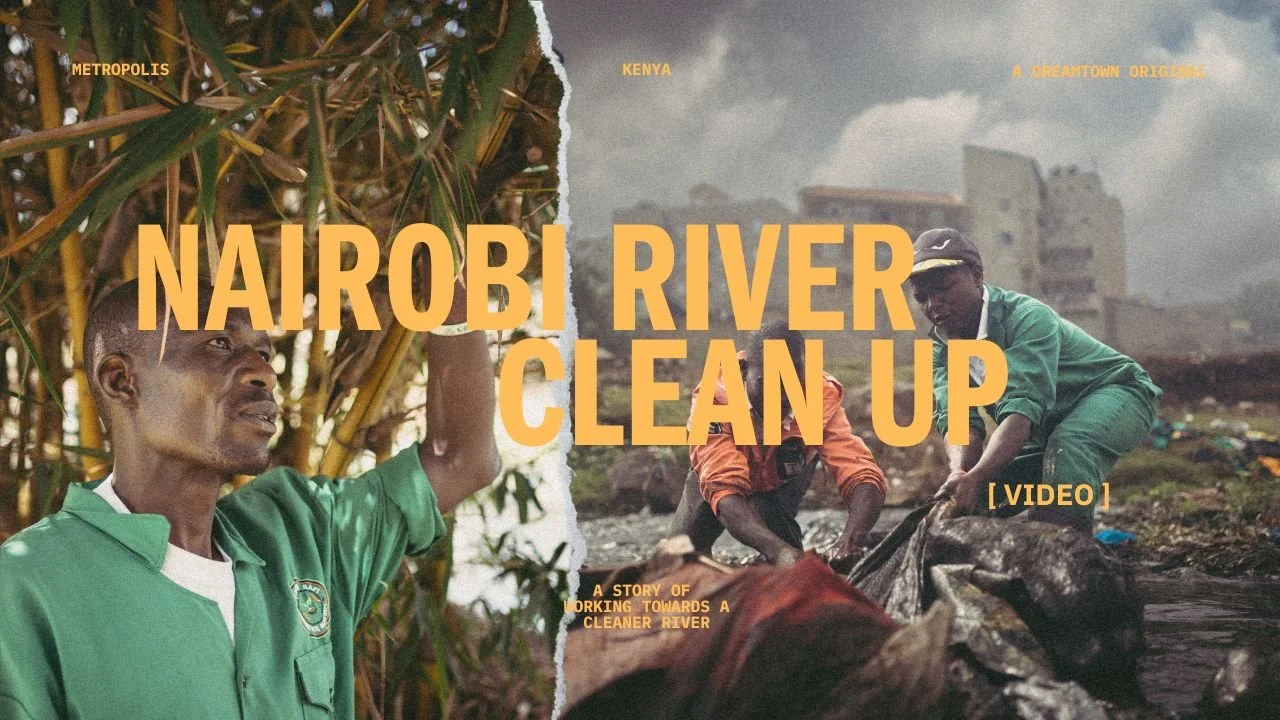
Dreamtown's work in Kenya focuses on ecological justice, climate-resilient public spaces, and youth-led water stewardship along the Nairobi River, in partnership with grassroots organisations like the Public Space Network and Mathare Social Justice Centre. Kenya's growing policy investment in nature-based solutions and informal settlement upgrading provides an enabling yet complex environment for this community-led, green-space-centred approach.