UKRAINE
Since the full-scale invasion in 2022, nearly 6.7 million Ukrainians have been internally displaced. Cities across the country have absorbed massive population shifts — straining housing, services, and public infrastructure. The spaces where communities once gathered have been damaged, repurposed, or abandoned. For young people, the impact is compounding: displaced youth remain tied to online schools from their home cities, maintaining separate social networks, while host youth have endured years of disrupted socialisation through COVID-19 and war. The result is parallel isolation — young people living in the same cities with almost no structured opportunities to connect.
In frontline cities, the pressure is acute: many young people are considering emigration, and the generation needed most for recovery risks being lost. Dreamtown’s work in Ukraine brings its decade of experience in youth-led urban transformation to this context — starting in Zaporizhzhia and exploring expansion to other Ukrainian cities where participatory design can become a tool for social cohesion, civic engagement, and community healing.
CONTEXT
SELECTED PROJECTS IN UKRAINE
-
Urban Bridges is Dreamtown’s first project in Ukraine, developed in partnership with Zaporizhzhia-based youth organisation Molod Online. The project brings together 500 young people — 150 internally displaced and 350 from the host community — in a participatory urban design process that builds the social bridges the city’s fragmented geography does not.
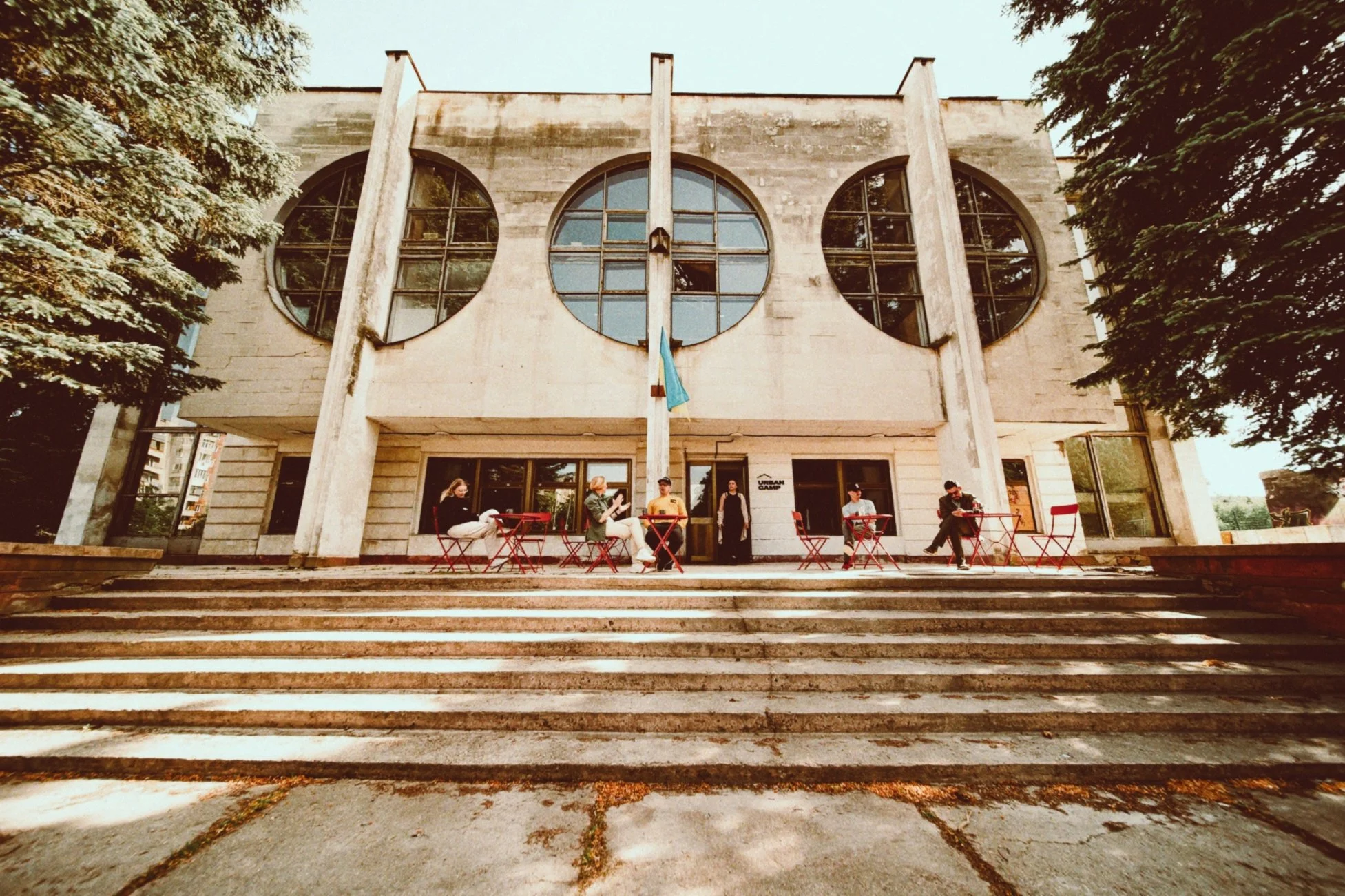
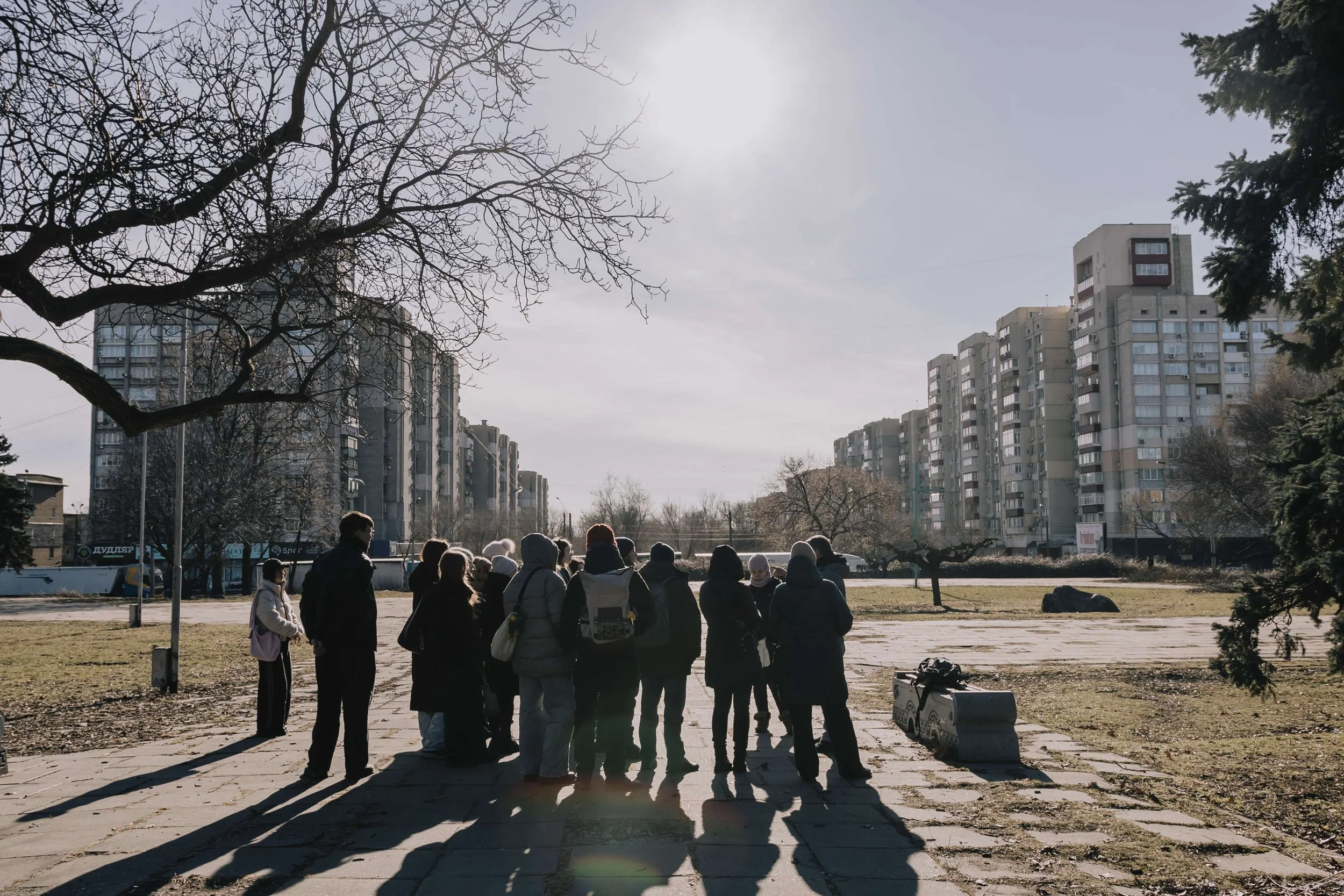
Zaporizhzhia’s seven districts are physically separated by industrial zones and poor transport links. Youth services concentrate in the centre, leaving young people in peripheral areas — where many displaced families live — underserved and cut off. Research by Molod Online found that many young people are unaware of existing public spaces in their own city.
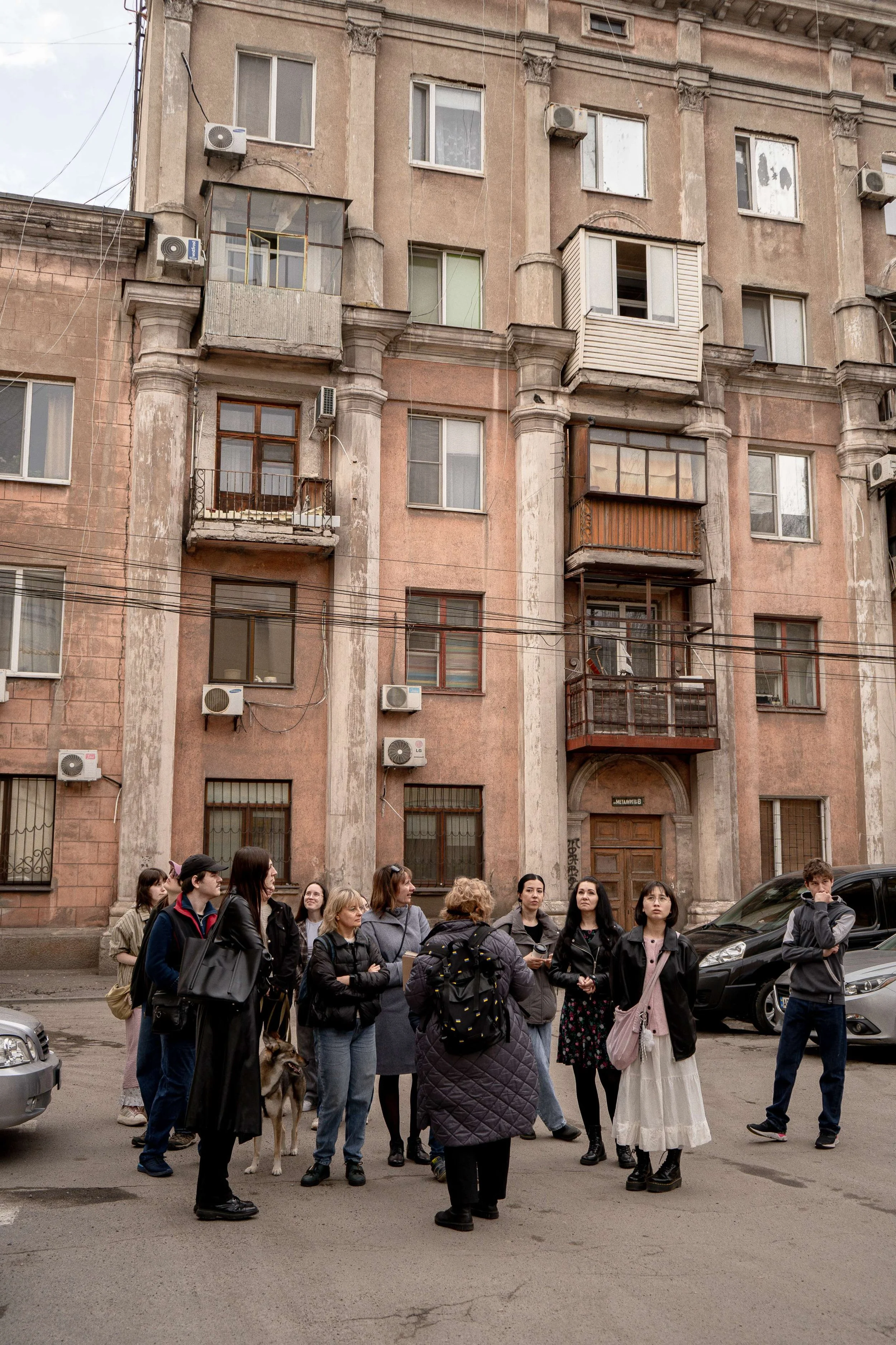
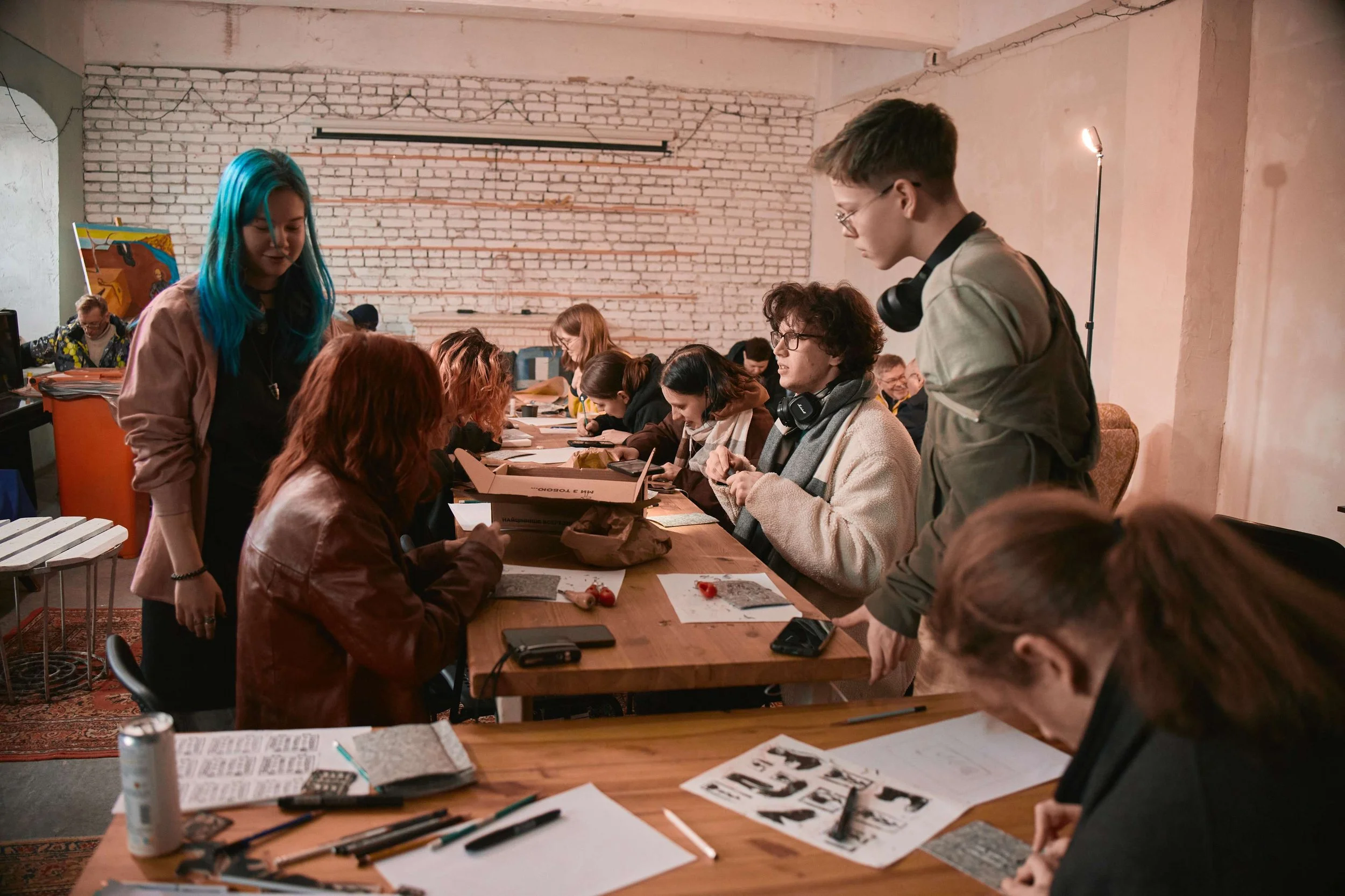
Using Dreamtown’s Dream and Design methodology adapted to the war context, young people explore their neighbourhoods through guided urban safaris, share visions in community workshops, and co-design 3–5 public space concepts using Minecraft-based digital co-creation inspired by UN-Habitat’s Block by Block programme and hands-on tactical urbanism. Participants receive psychosocial support throughout — including access to a psychologist. Their proposals feed directly into Zaporizhzhia’s municipal Youth Program 2025–2027 and UNICEF’s Mini-Initiatives Competition, linking creative participation to real civic decision-making and formal funding channels. A youth editorial board documents the entire process, producing a visual toolkit for advocacy and replication.
Molod Online, founded in 2016, runs a Community Centre for IDPs, facilitated Zaporizhzhia’s first youth-staffed municipal Youth Center, and co-developed the city’s Youth Program. A 2024 U-Report survey of over 1,000 young people directly shaped the project design. Dreamtown contributes its methodology, strategic guidance, and international platform — including presenting results at the World Urban Forum 13 in Baku, connecting Zaporizhzhia’s young designers to a global conversation about cities and recovery.
Running from December 2025 to November 2026, Urban Bridges is a proof of concept for youth-led reconstruction — and for the idea that the fastest route to social cohesion is through shared creation. When displaced youth and host youth design a space together, they build something more durable than any single installation: a relationship with each other, and with the city they share.