UGANDA

CURRENT PROJECTS IN UGANDA
-
In Nairobi and Kampala, something is already moving. Young people in informal settlements — often written off by the systems that surround them — are organising, building, and pushing for change in their communities. They are not waiting for permission. They are creating the conditions for a different kind of city.
The Youth Current is Dreamtown's project to meet that energy, support it, and help it grow. Operating across Kenya and Uganda, the project works through trusted, youth-led organisations embedded in the communities they serve. Its focus is on urban youth engagement: helping young people reclaim and reshape public spaces, build sustainable livelihoods, and develop the skills and confidence to advocate for themselves in the institutions that make decisions about their lives. The young people at the heart of this project live in some of East Africa's most rapidly urbanising areas — places where the gap between the city's promises and its realities is felt every day. Unemployment, inadequate infrastructure, exclusion from political processes: these are not background conditions. They are the immediate obstacles that young people navigate from morning to night.
What The Youth Current offers is recognition — that these communities already contain the leadership, creativity, and determination needed to change things — and resources, so that energy doesn't get extinguished before it can take root. The current already exists. This project is about making sure it keeps flowing.
-
Kampala is one of Africa's fastest-growing cities — and in its informal settlements, climate change is not a distant threat. It is the flood that ruined last season's crops. It is the heat that doesn't break. It is the stormwater draining through streets where children play. For young people in these communities, climate adaptation is not a policy conversation. It is a survival skill.
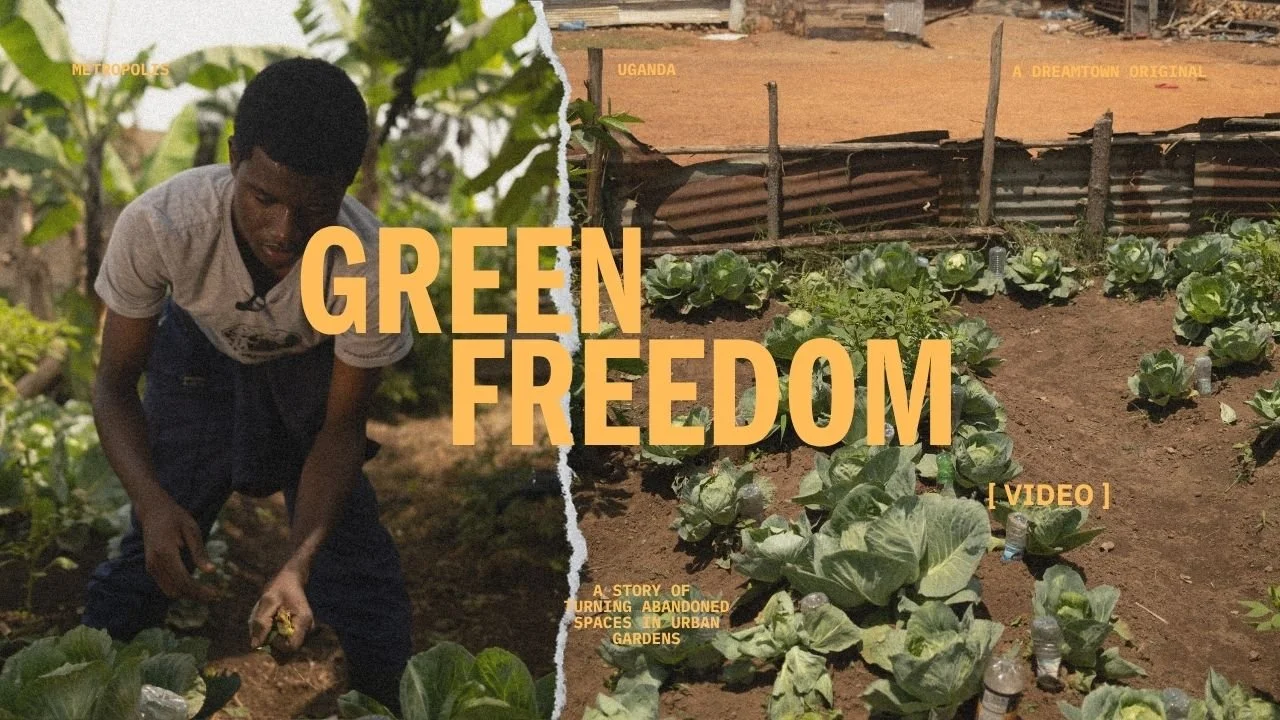
Ghetto Go Green is a youth-led project that treats it as such. Operating in Kampala's informal settlements, the project builds the capacity of young people to lead climate adaptation in their own communities — through sustainable urban agriculture, the creation of green public spaces, and collective advocacy toward city authorities.
At its core is the Youth Climate Adaptation and Leadership Academy (YCALA), a structured programme that turns climate vulnerability into climate leadership.
The results are already visible. Seven green public spaces have been created — not by outside planners, but by the communities themselves. Twenty-four percent of households in target areas are now growing climate-resilient crops, shifting both food security and the relationship between urban dwellers and the land they live on. Thirty youth-led civil society organisations have been trained and mobilised, creating a network of local climate actors who continue the work independently. This is what youth-led development looks like when it is taken seriously: not young people as passive participants in someone else's programme, but as the people who diagnose the problem, design the response, and implement it — building, in the process, a very different kind of future for their communities. Ghetto Go Green is proof that climate adaptation can be rooted, local, and transformative.
-
Cities in Sub-Saharan Africa are growing faster than almost anywhere else on earth. For millions of young people, that growth is not an opportunity — it is a pressure. Informal settlements expand. Public space disappears. Jobs don't materialise. And the systems that should support young people — housing, education, health, local governance — stretch and sometimes break.
Youth City is Dreamtown's most ambitious programme: a multi-country, multi-year effort to change what urban life looks like for young people across Kenya, Uganda, Zimbabwe, Sierra Leone, and Denmark.
The programme works through three interconnected pillars. The first is entrepreneurship — building the skills, networks, and confidence for young people to create income and economic resilience in their communities, with a target of 40% of participants scaling or launching a new enterprise.
The second is public space — working with communities to reclaim, create, and maintain safe, green, and creative spaces where young people can gather, express themselves, and belong. The target: 800 young people directly involved in developing and shaping those spaces. In Kenya and Uganda, it means urban agriculture and climate-smart infrastructure.
The third pillar is advocacy — equipping young people to engage with local authorities and influence the decisions that shape their cities, with 800 young people taking part in joint advocacy campaigns.
Across all five countries, Youth City has directly engaged hundreds of young people as active participants — not as recipients of development, but as its architects. The programme is guided by a Youth Advisory Panel, ensuring that young voices shape its direction at every stage. Youth City is Dreamtown's theory of change made visible at scale: cities are made by people, and the young people who live in them have both the right and the capacity to make them better.
LATEST STORIES FROM UGANDA

CONTEXT
Kampala is one of East Africa's fastest-growing cities, with 46% of its population under 25 and large numbers living in climate-vulnerable informal settlements prone to flooding and food insecurity. Green space is scarce, sanitation infrastructure weak, and governance fragmented.
Dreamtown's Uganda work centres on youth-led climate adaptation — urban agriculture, green public spaces, and community resilience — alongside programmes strengthening civic space for youth organisations and advancing gender-responsive urban design. The political context remains tense, with civic space under pressure, making the support of youth-led civil society both essential and sensitive.