When youth hold the budget - Dreamtown’s approach to Microgranting
At the Youth Dream Centre (YDC) office in Freetown, Sierra Leone, a three-lock savings box sits in secure storage. It belongs to a group of eighteen young entrepreneurs who received micro-grants through YDC, Dreamtown's partner in Sierra Leone. The group built their own rules: how much to contribute each week and when to meet. They elected their own executive committee — chairperson, treasurer, financial secretary — and their savings accounts require signatures from both group leaders and YDC staff before any money moves. The lockbox is a small thing. What it represents is not. It is proof that when young people hold real budgets, they build real systems.
More than money
Micro-grants are central to how Dreamtown supports young people in shaping their own cities. Put small, flexible funding into the hands of young people and community organisations, let them decide what to do with it. Grant sizes are modest. The real weight is in what surrounds the money.
Every micro-grant at Dreamtown sits inside a broader project. In Kampala, that project might be climate change adaptation. In Harare, mental health advocacy through art. In Freetown, youth entrepreneurship that help young people shape small informal businesses. The grants are tailored to fit within these larger themes while leaving room for local priorities, knowledge that comes from living on the street, and leadership that already exists. A group of young women in Bulawayo knows what their neighbourhood needs better than any office in Copenhagen. The micro-grant gives them the budget to act on that knowledge.
This approach shifts decision-making power to the people closest to the problem. Young people design the projects, write proposals, manage budgets, and report back.
Before, during, and after
What makes Dreamtown's micro-granting distinct from a typical small-grant scheme is everything that wraps around the money. Before a single grant is disbursed, partners run training. In Bulawayo, Zimbabwe, Yellow World invites all applicants to attend workshops on bookkeeping, programming, and team management — regardless of whether they receive funding. In Nairobi, the Cool Waters Climate Change Adaptation Academy — led by Public Space Network (PSN) with technical support from UN-Habitat and Kounkuey Design Initiative — takes community-based organisations through a six-module curriculum: an introduction to climate adaptation, hazard mapping, site visits, co-development of adaptation plans, advocacy strategy, and project proposal drafting. The micro-grant comes at the end, funding the plans participants designed themselves.
During implementation, grantees are not left alone. Partners assign dedicated contacts, conduct site visits, and work through problems alongside the groups they fund. The relationship runs on trust. After the project ends, the support continues. In Sierra Leone, YDC helps grantees form savings groups with elected leadership and shared financial oversight — small collectives where the savings practice outlasts the grant by design. The toolkit recommends alumni WhatsApp groups, peer mentorship pairings, and learning circles to keep former grantees connected long after the funding runs out.
Dreamtown and our partners wrap the grants in training, mentorship, networks, and trust. The money gets things started; the rest keeps them going.
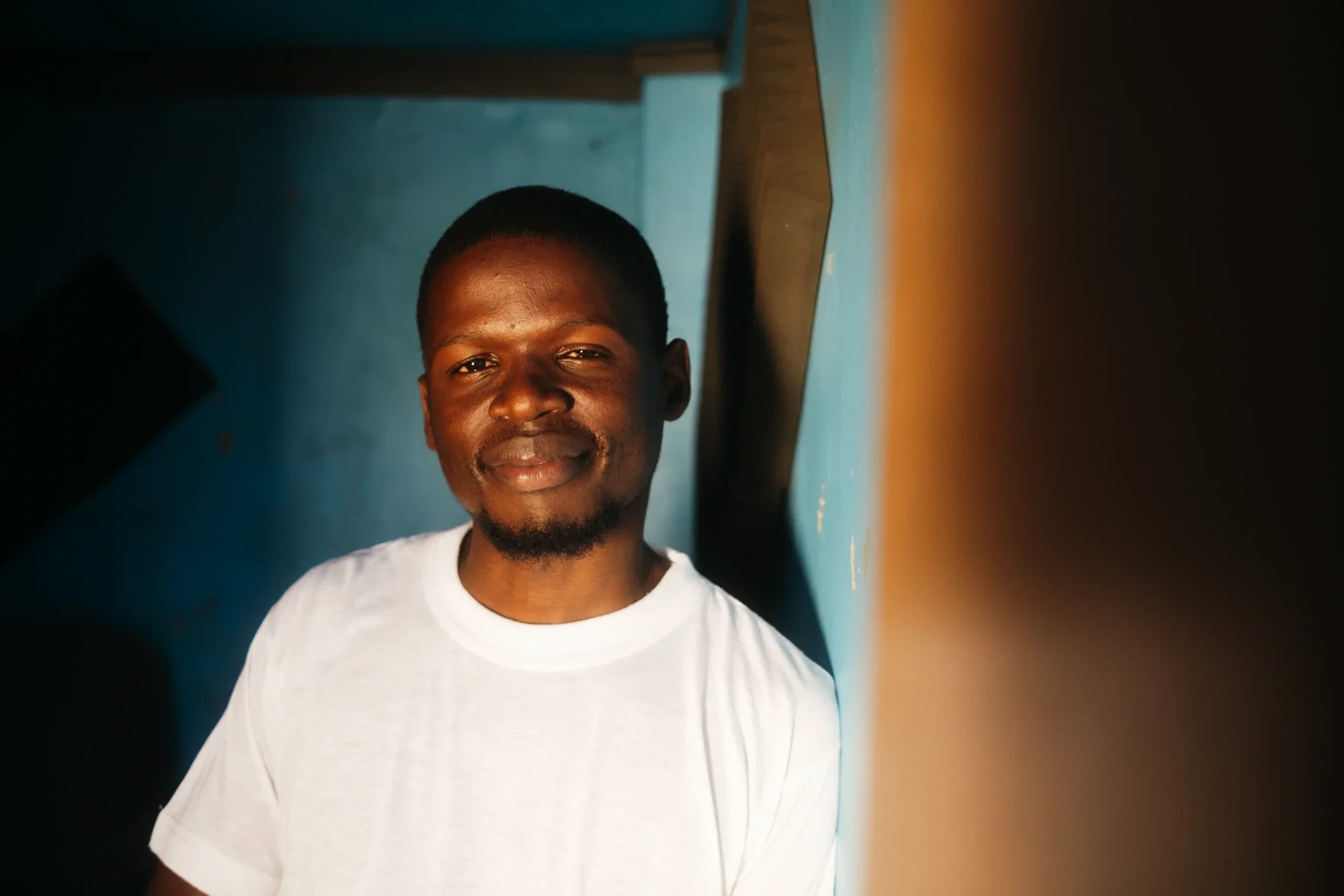
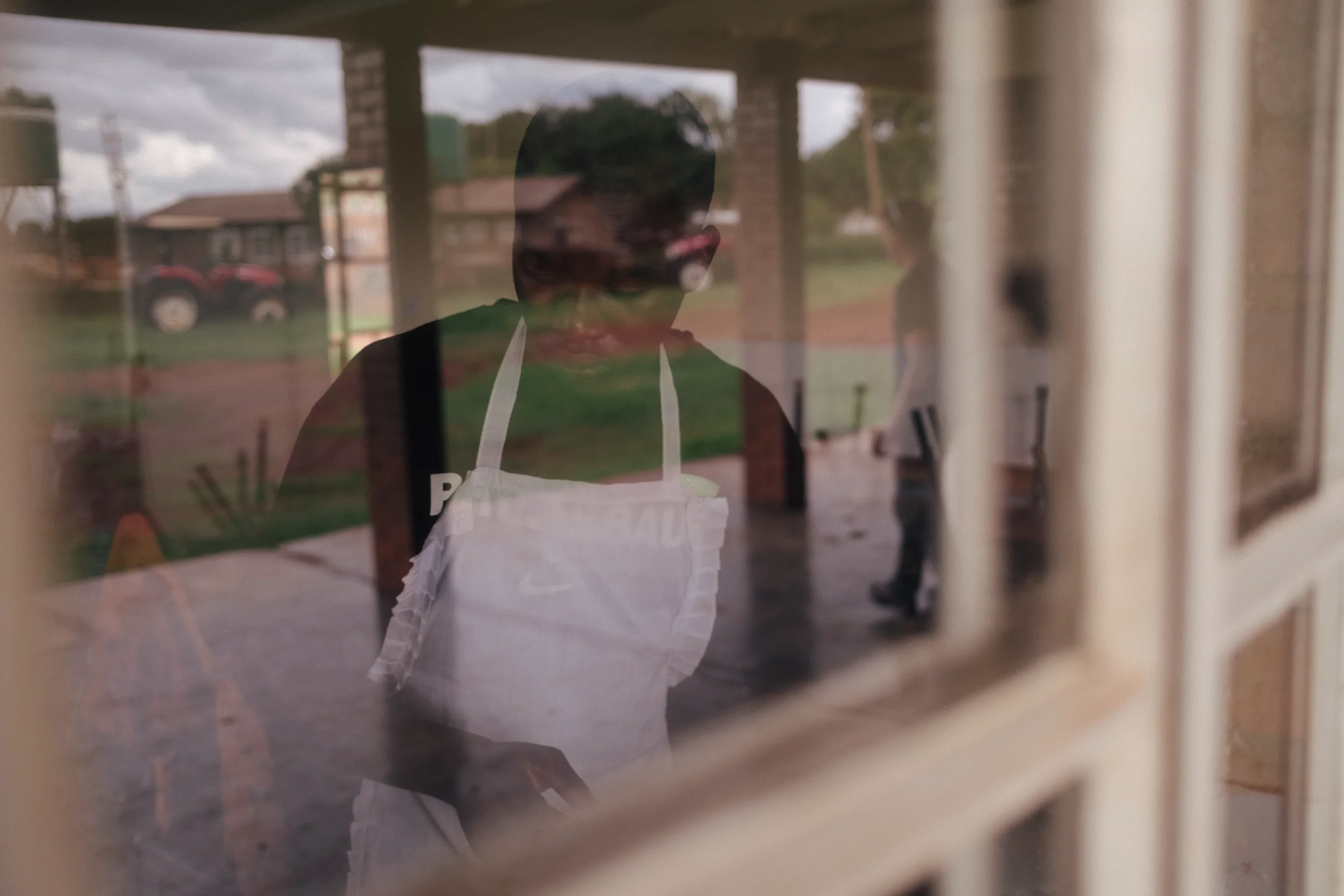
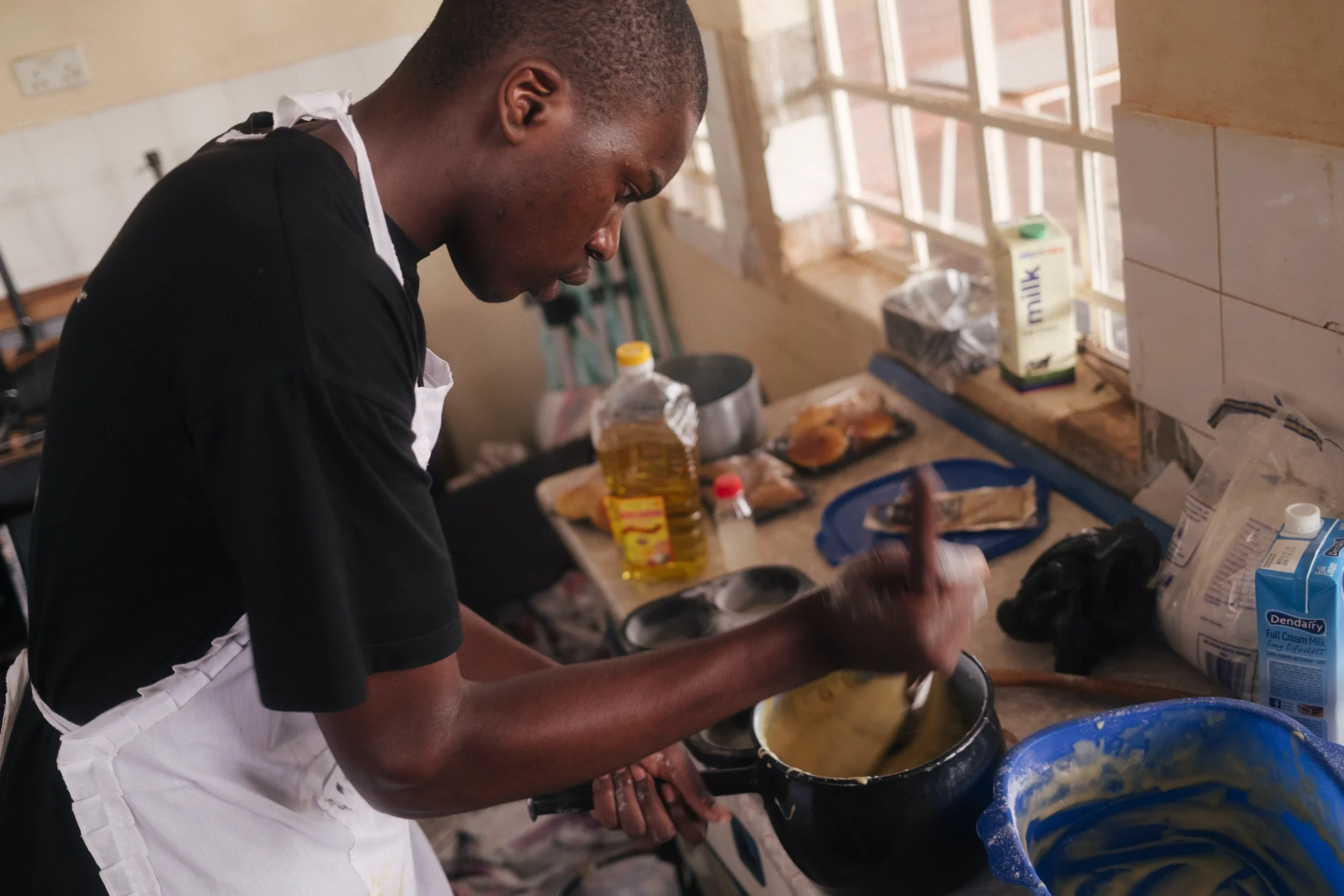
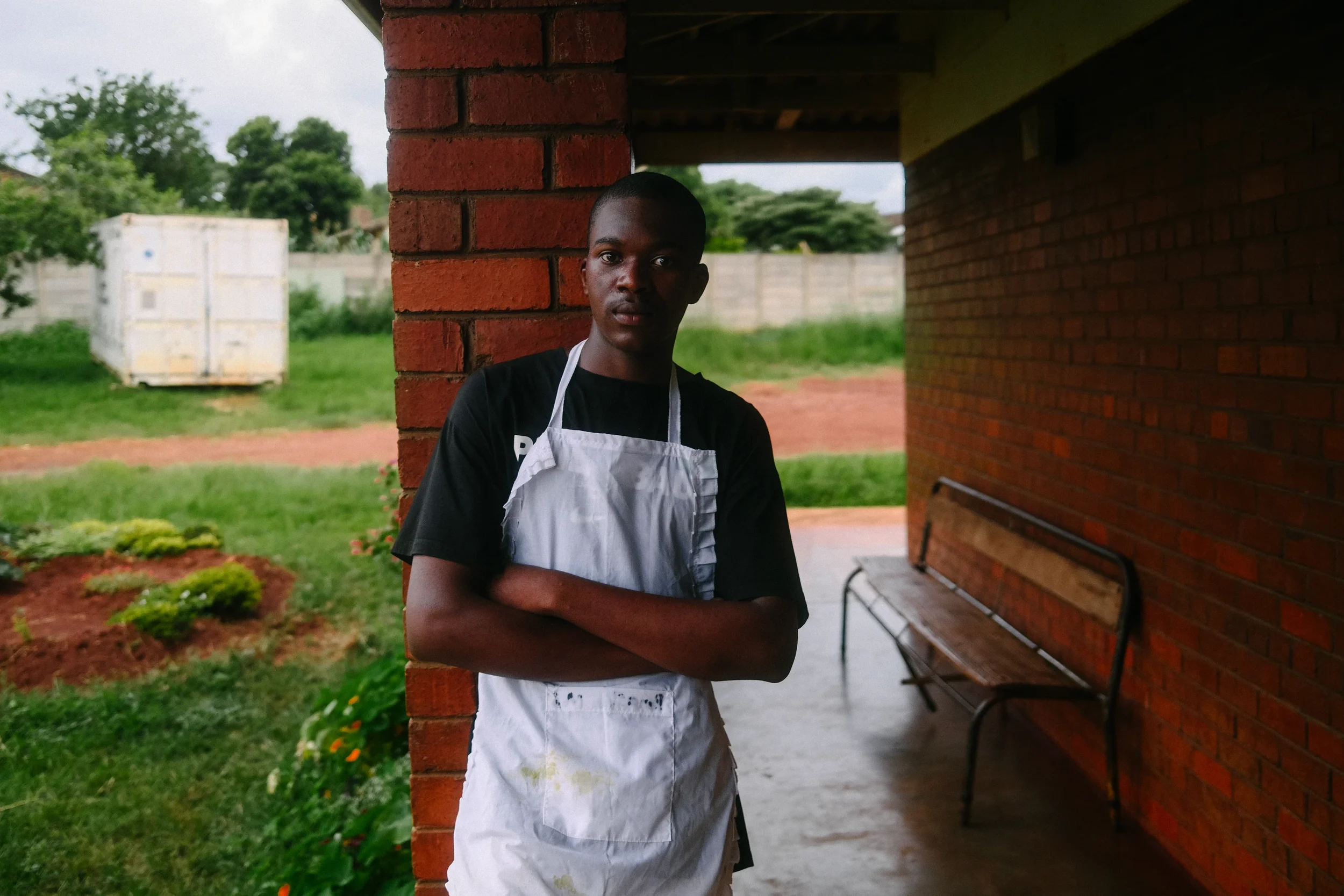
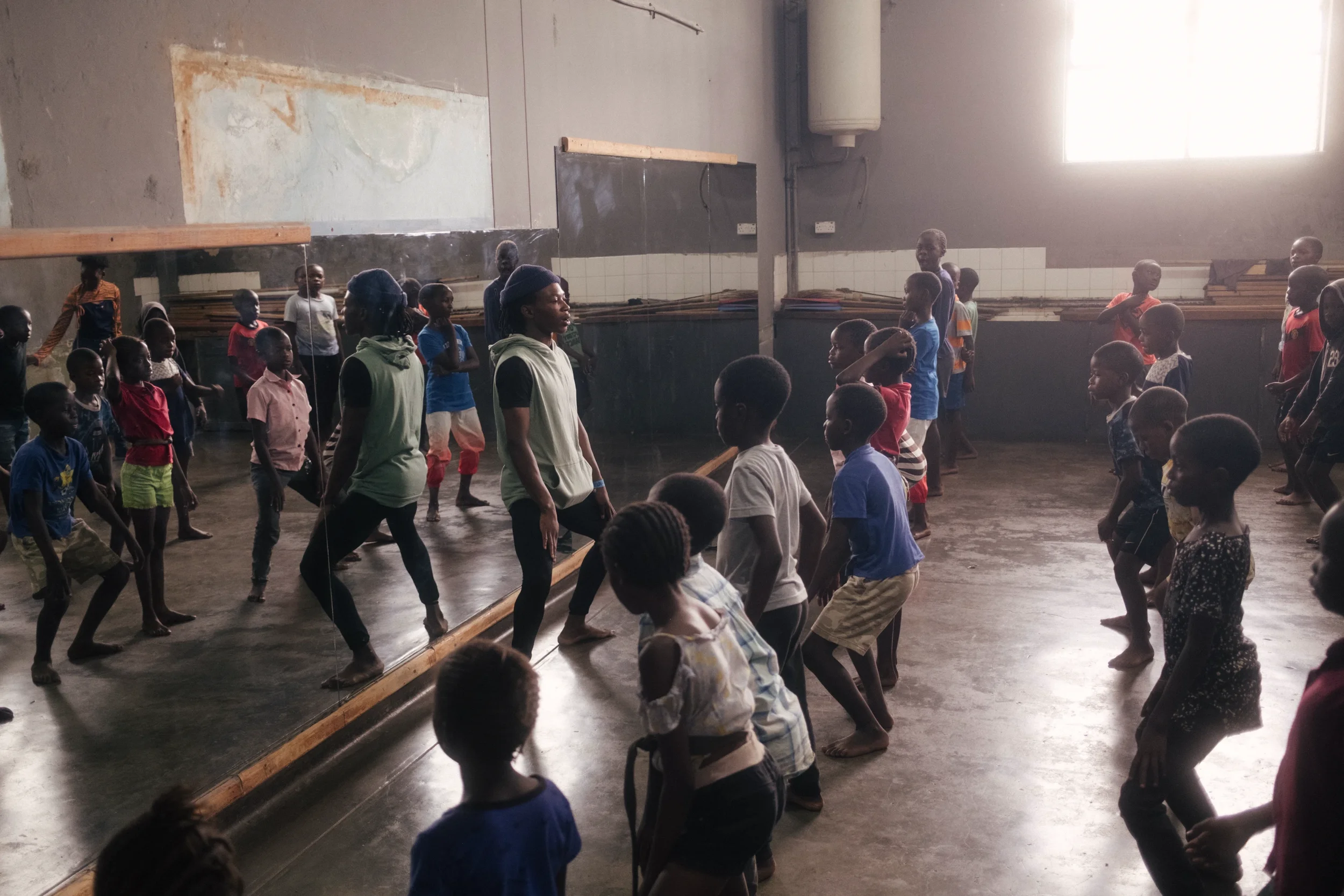
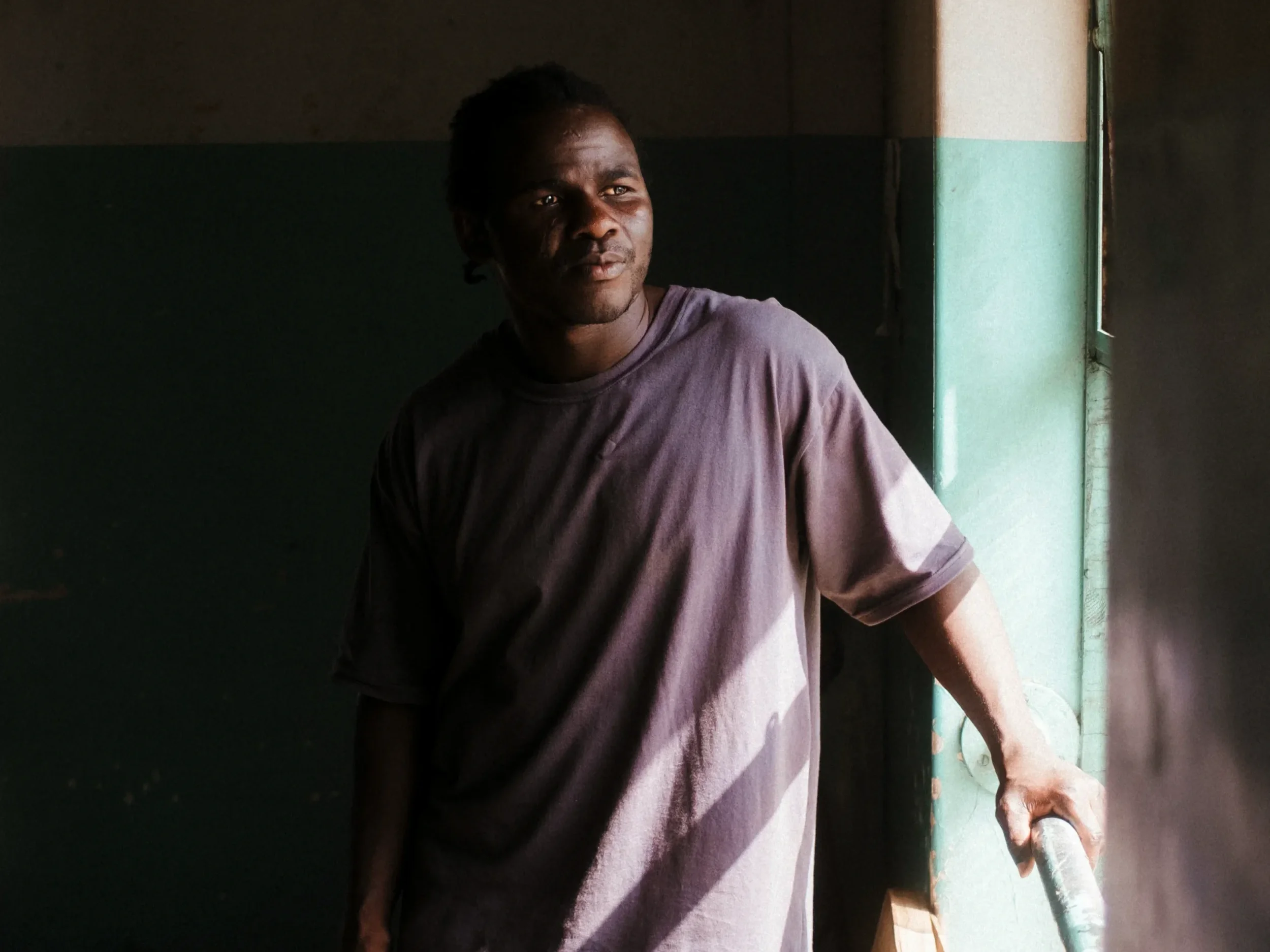
Microgrant recipients in Zimbabwe funded different initiatives with the grants. From Doloz, who financed a camera and now shoots a weekly show from the communities for a national TV broadcaster to Peter, who bought ovens for starting a cupcake business to Taona “Fivety”, who received support for his dancing studio in Mbare, where he teaches young children to dance and express themselves.
Different countries, different approaches
There is no single template for how a micro-grant scheme runs. The sequencing depends on the community, the partner, and the context. In Harare, House of Arts Association (HAA) starts with a week-long mental health awareness bootcamp — psychologists, facilitators, and mental health champions leading sessions. Anyone can attend. Participants brainstorm awareness activities, learn about the micro-grant opportunity, and apply. Selected grantees sign agreements, receive a dedicated HAA contact person, and report at the end.
When Nikromat Studios — a youth-led multimedia production team — received notice to vacate their office in Harare's central business district, they had no savings for relocation, and bank loans were out of reach — too slow, too expensive, and too demanding in paperwork. Without a micro-grant, the team faced shutting down or retreating to Epworth, an informal settlement, where their client base would have suffered seriously. The grant covered relocation and renovation costs. Within months, Nikromat's revenue had grown by over forty percent, and they had diversified from photography into documentaries and filmmaking. They bought new equipment from their own profits.
In Kampala, the process is trust-first. Network for Active Citizens (NAC) reaches out to community-based organisations they have already worked with. These partners design public space transformation plans for their own neighbourhoods. NAC disburses the full grant upfront, and monitors progress through site visits, ongoing conversation, and narrative and financial reports.
In Freetown, Youth Dream Centre holds community meetings in neighbourhoods where they already have a presence. They select female-dominated, well-organised groups with relevant experience. Trained facilitators deliver entrepreneurship skills training using YDC’s own model. Grants follow the training, and savings groups with elected leadership share the financial oversight of their weekly savings that benefit everyone in the group.
Kadiatu runs a small retail shop in Sierra Leone. Before the programme with Youth Dream Centre, she had less than a thousand Leones in capital and could not stock what her customers needed. After training and a cash grant, she expanded her inventory. Women in her neighbourhood started buying from her instead of travelling to the distant Gbense market. Her local savings group share-out funded a refrigerator and building materials for a plot of land she had purchased the year before. Before the programme, she was barely consulted on community matters. Now she contributes to local decision-making and social activities.
The sequencing is different every time — because the communities, capacities, and contexts are different. The common thread: youth and community organisations lead. The partner organisation walks alongside.
What success looks like
Success in micro-granting does not fit neatly into a single metric. A donor might measure the number of grants disbursed. A partner might track whether projects finished on time and within budget. But ask the grantees themselves, and the answers shift.
A young person in Freetown who ran a micro-grant project through YDC's entrepreneurship programme will have gone through skills training, managed a budget, coordinated activities, and reported on results. In Harare, the grant funds music festivals, street cinema tours, and peer support networks. What those activities enable — public conversation about mental health in communities where the topic carries significant stigma — is harder to count.
In Kampala, the greened spaces are visible. The shifts in how a community relates to its own environment, and how residents see themselves as people who can change their street do not fit on a spreadsheet.
In Kamwanyi, in Port Bell, a marginalised lakeside community on the shores of Lake Victoria, Abdul Rahman Saad had been cycling through casual jobs such as fishing, machine operation, taxi conducting. None of them enough to support his mother and siblings. Through Dreamtown and partners’ Youth City programme, he used a micro-grant to buy two goats, build a pen, and purchase feed and vaccines. He now owns five goats, three of them pregnant. He sells milk, goats, and manure — the manure going to urban farmers and to the community demonstration garden in his neighbourhood. The grant was small. But for him it created a big shift.
Dreamtown's toolkit for micro-granting practitioners, put together by Marie Schneider in collaboration with our partner organisations, insists that success must be co-defined. The toolkit recommends community dialogue, storytelling, photovoice, walk-along interviews, and feedback loops alongside quantitative reporting — methods that let communities define what matters to them and help avoid imposing outside definitions of success.
The grant ends. The capacity stays.
What happens next
Back in Freetown, the savings groups meet regularly. What YDC has seen is that when one person learns something, builds something, then the people around her pay attention. The micro-grant is the starting point. The savings groups, the skills, the networks, the confidence to manage money and hold each other accountable — that is what remains.
We are still finding out what this adds up to. Every new savings group, every grant that lands in a different neighbourhood, every community that takes the model and reshapes it to fit their own street — the answer keeps changing.
The full Microgranting Toolkit is available for practitioners, organisations, and funders working with community-led micro-grant schemes. Developed by Marie Schneider in collaboration with our global partners.
Want to support youth-led change? Become a Dreamtown member or contribute to the Dreamfund.